Ka’a Journal
Brazilian elections: a result with impact far beyond its borders
We can all take a deep breath of relief after the Brazilian elections – and luckily continue breathing a little easier thanks to the world’s largest rainforest: the Amazon.
- Politics
- Amazon
- Women

Written by Nicole Kormann da Silva
On 25 October, Brazilian President Luiz Inácio Lula da Silva won a historic election, defeating far-right candidate Flávio Bolsonaro in one of the country’s fiercest elections. The result marks a major setback for the Bolsonaro political dynasty and a powerful reminder that the international far right’s growing influence is not inevitable. At a time when authoritarian politics are gaining ground across Latin America and the world, Brazilians have chosen a government that holds social equality, environmental protection and multilateral cooperation as central to its agenda.
This is something to celebrate. Brazil is home to more than 200 million people and some of the planet’s most important ecosystems. What happens in Brasília, the country's capital, has implications far beyond its borders: it matters to the geopolitics over who controls strategic resources, to the future of democracy, and to the climate.
We highlight the three fundamentals that were at stake in the recent election:
1. The Forest
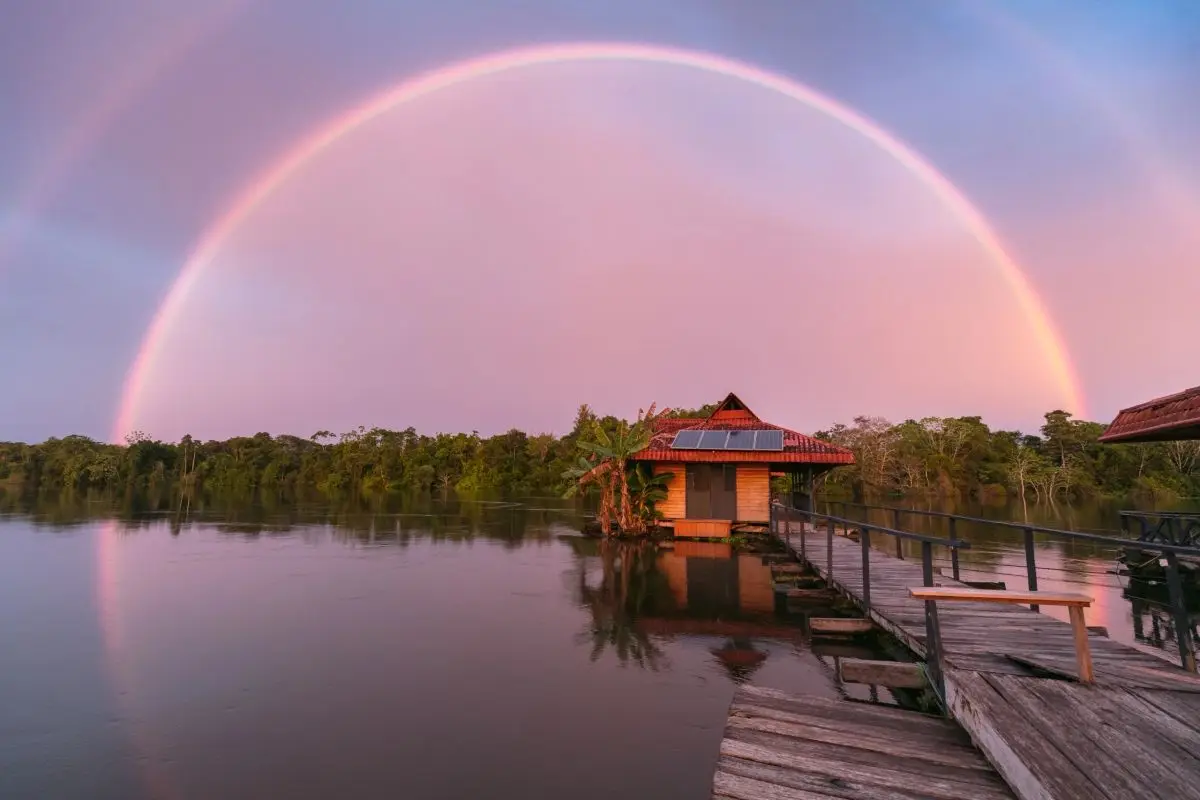
The Amazon rainforest covers approximately six million square kilometres across nine countries and territories, with around 60% located in Brazil. It is home to extraordinary biodiversity, sustains Indigenous peoples and traditional communities, influences regional rainfall patterns, and plays a vital role in regulating the global climate.
Under Lula's government, Brazil has strengthened environmental enforcement, restored anti-deforestation policies and increased the monitoring of illegal land clearing. The results are tangible: according to Brazil's National Institute for Space Research (INPE), deforestation in the Brazilian Amazon fell to 3,335 square kilometres between August 2025 and July 2026, a 41.8% decrease from the preceding period and the lowest annual rate since satellite monitoring began in 1988 (preliminary estimate).
Lula's renewed mandate creates an opportunity to consolidate this progress, strengthen environmental protections, advance the rights of Indigenous peoples and support economic activities that allow communities to thrive without destroying their territories.
2. Women
Protecting the Amazon is not only about preserving trees, biodiversity and carbon sinks. It is also about protecting the people who live in and care for the forest – and women are at the heart of this work.
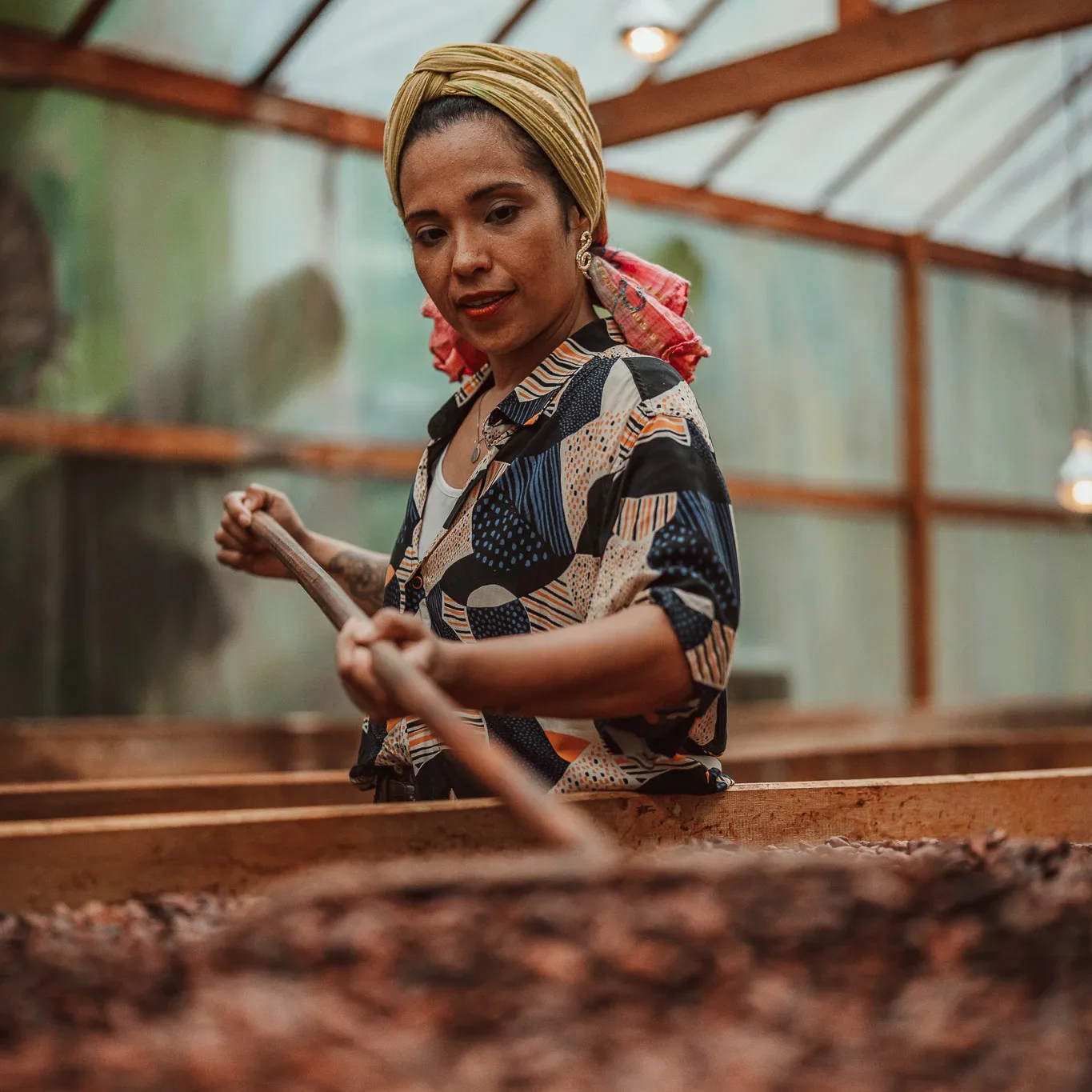
Across Brazil, women and women-led grassroots organisations are defending territories, preserving traditional knowledge and building alternatives to extractive development. They are seed keepers, agroecological farmers, community organisers and guardians of biodiversity. Through collective projects, they protect local ecosystems while sustaining food sovereignty, creating livelihoods and strengthening the social fabric of their communities.
Yet these women often face overlapping forms of discrimination and exclusion, such as threats and violence, unequal access to land and funding, and political representation that limit women's ability to shape decisions that directly affect their lives.
These inequalities are reinforced by a broader political discourse that seeks to roll back women's rights and challenge feminist advances. Bolsonaro’s political stance and far-right movements have frequently promoted conservative gender roles, opposed gender-equality initiatives and portrayed feminism as a threat to traditional values. Such rhetoric is not simply symbolic: it threatens to undermine the autonomy, recognition and democratic participation that women need to defend their communities and shape their futures.
Lula's victory offers an opportunity to advance a different agenda, one that recognises women's leadership as essential to environmental protection and sustainable development.
3. A sustainable project of development
Fundamental questions were at stake during this presidential election: What kind of economic development do we want? And, who benefits from it?
The Bolsonaro political project has been associated with a model that privileges exploitative production, deregulation and the expansion of activities that place pressure on land, water and ecosystems. Its broader political allies have often framed environmental and social protections as obstacles to economic growth.
The struggle over Brazil's future is not simply a choice between growth and conservation. It is a struggle over who controls resources, who makes economic decisions, who bears the costs and who benefits from the value created.
For example, Brazil holds the second largest reserve of rare earth minerals in the world, second only to China. These minerals are present in most modern electronics, clean energy apparatus such as wind turbines and electric vehicles, and also military technology like missiles and drones. And Brazilian reserves have been barely touched so far.
A development model that reproduces familiar patterns of extraction, dependency and unequal development risks having profound consequences for food systems, local communities and the environment.
Brazil has an opportunity to challenge that pattern. But doing so requires a political project capable of connecting environmental protection with investment for local value creation, public services, research, and the democratic participation of affected communities.
While the election has not guaranteed it, it has kept that possibility alive.
What next? The fight continues
In October, Brazil also had elections to define the new Congress and Senate, which now figure a composition that will make governing particularly challenging. The Liberal Party (PL), associated with the Bolsonaro movement, will have 121 seats in the Chamber of Deputies (out of 513) and 28 seats in the Senate (out of 81), the largest bench in both. The Workers’ Party (PT) secured 70 seats in the lower house and 9 in the Senate. Conservative and right-wing parties hold substantial influence across both chambers.
This matters because the president cannot deliver his programme alone. Legislation, public spending, environmental regulation, Indigenous land rights and social policy will all be shaped by negotiations with Congress.
Lula's victory is an important moment, but it is not the end of the struggle.
Beyond borders
The protection of the Amazon forest is not a regional concern. It is a global responsibility.
Environmental protections may face challenges from powerful agribusiness and extractive interests. Social reforms will require sustained political support. And the ability to advance a different economic model will depend on whether progressive forces can turn electoral mobilisation into lasting political organisation. The next government will need to build alliances while resisting pressure to dilute its commitments – within Brazil and beyond its borders.
We pose the question: what should international solidarity look like in practice? How can European institutions, governments and civil society contribute to protecting all three dimensions at stake: the forest, women, and a sustainable development model?
International support and cooperation needs to enable the conditions in which people can defend their rights, shape their development priorities and hold both public and private actors accountable. We don’t have all the answers but we are convinced that solidarity must recognise and support the people already working to protect the forest and build sustainable alternatives. That means directing resources towards community-led initiatives, respecting Indigenous knowledge, ensuring that women participate in decisions about land and natural resources, and building partnerships that strengthen local autonomy rather than create new dependencies.
Brazil's election is a reminder that political choices, public institutions and collective action make a difference not just at a local level, but a global one too.