Ka’a Journal
Money for the forest: what the Bolsa Floresta programme shows
Since 2007, a programme in the state of Amazonas has paid families to keep the forest standing. What has it achieved – and what not?
- Bioeconomy
- Climate finance
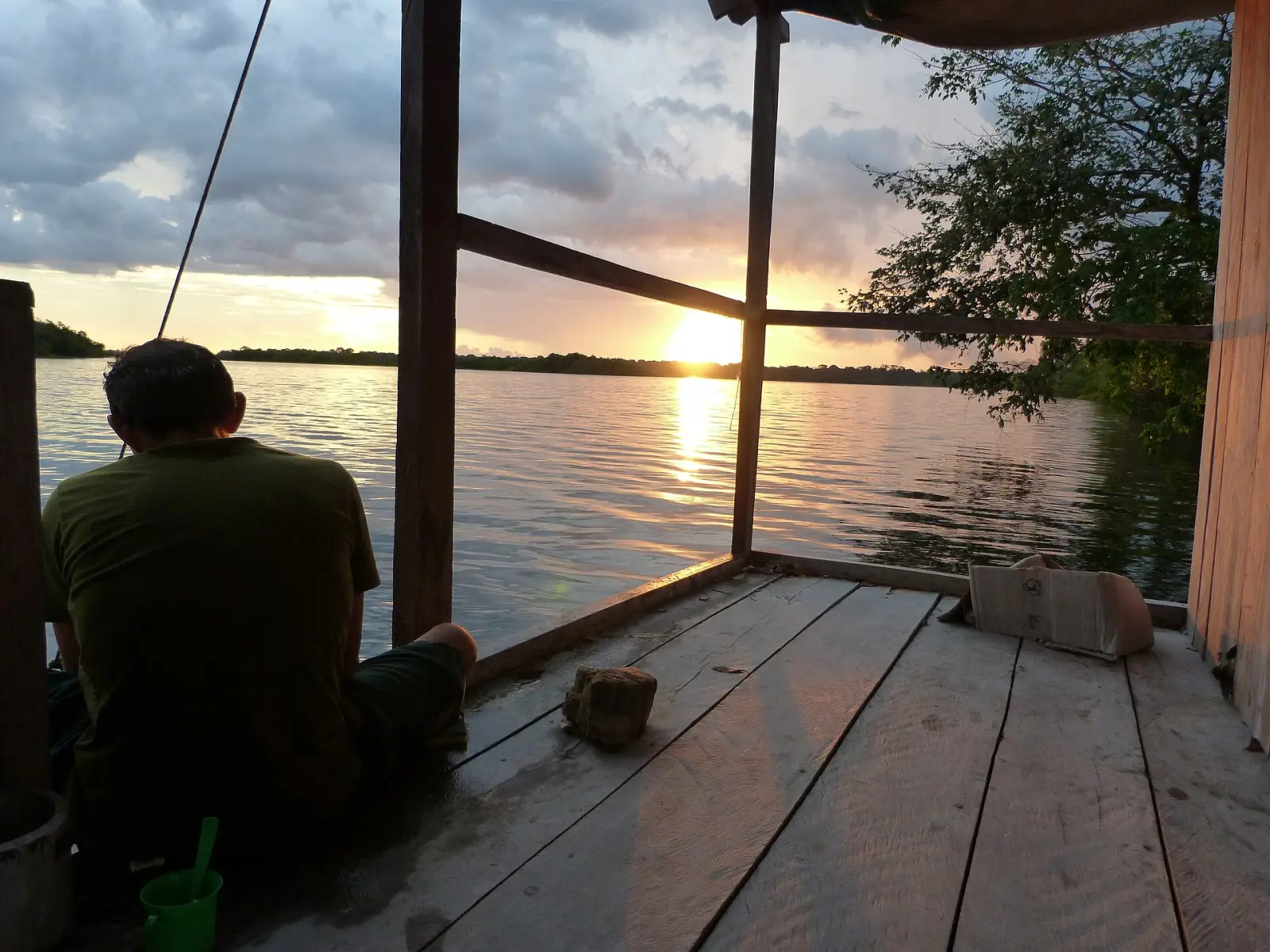
The forest provides services the whole world benefits from: it stores carbon, generates rain and is home to countless species. Yet these services are hardly paid for – least of all to the people who live in the forest and keep it intact. This is where the idea of “payments for ecosystem services” comes in.
How Bolsa Floresta works
The Fundação Amazonas Sustentável (FAS) launched the programme in 2007 in sustainable development reserves in the state of Amazonas. Families commit to following their reserve’s management plan and not clearing new forest. In return, they receive a small monthly payment – initially around 33 US dollars – and communities receive investment in education, health and sustainable sources of income.
- According to FAS, almost 9,500 families in 16 protected areas covering nearly 11 million hectares benefit.
- Requirements include membership of a local association and children attending school.
What an independent study found
A study co-sponsored by the research centre CIFOR in two reserves reached a nuanced conclusion: most participants said they were better off than before. They also reported better protection against outsiders fishing or logging illegally. The effect on deforestation, however, was rather small – because clearing rates in these remote areas were already low.
FAS itself reports much larger successes, such as a sharp fall in deforestation and rising household incomes. Such self-reported figures are valuable but do not replace a controlled comparison.
What we learn from it
- Direct payments alone will not save the forest – but they strengthen the people who defend it.
- Money has the greatest impact where pressure is high: at the frontier, where roads, cattle pasture and gold mining advance.
- Programmes have to fit the place. What works in a remote reserve needs different incentives elsewhere.
For us, Bolsa Floresta confirms a simple truth: those who protect the forest should get something back. That is exactly why we advocate for more climate finance to reach communities and women on the ground directly.