Ka’a Journal
Newsletter #1: From the Amazon to Berlin – our first year
One year of Ka’a Harmony: our first COP30-linked panel in Belém, the story of Dona Oneca and the women’s network MMIB – and the networks we have joined.
- Newsletter
- COP30
- Women of the Amazon
This article first appeared as our newsletter #1.View the original newsletter
A note from Priscila
Ka’a Harmony has just completed its first year. As spring blooms in Europe and the Amazon enters its harvest season – cupuaçu ripening, cacao trees coming alive – it felt like the right moment to pause, reflect and share what we’ve been building. Thank you for being part of this journey.
The world came to the Amazon
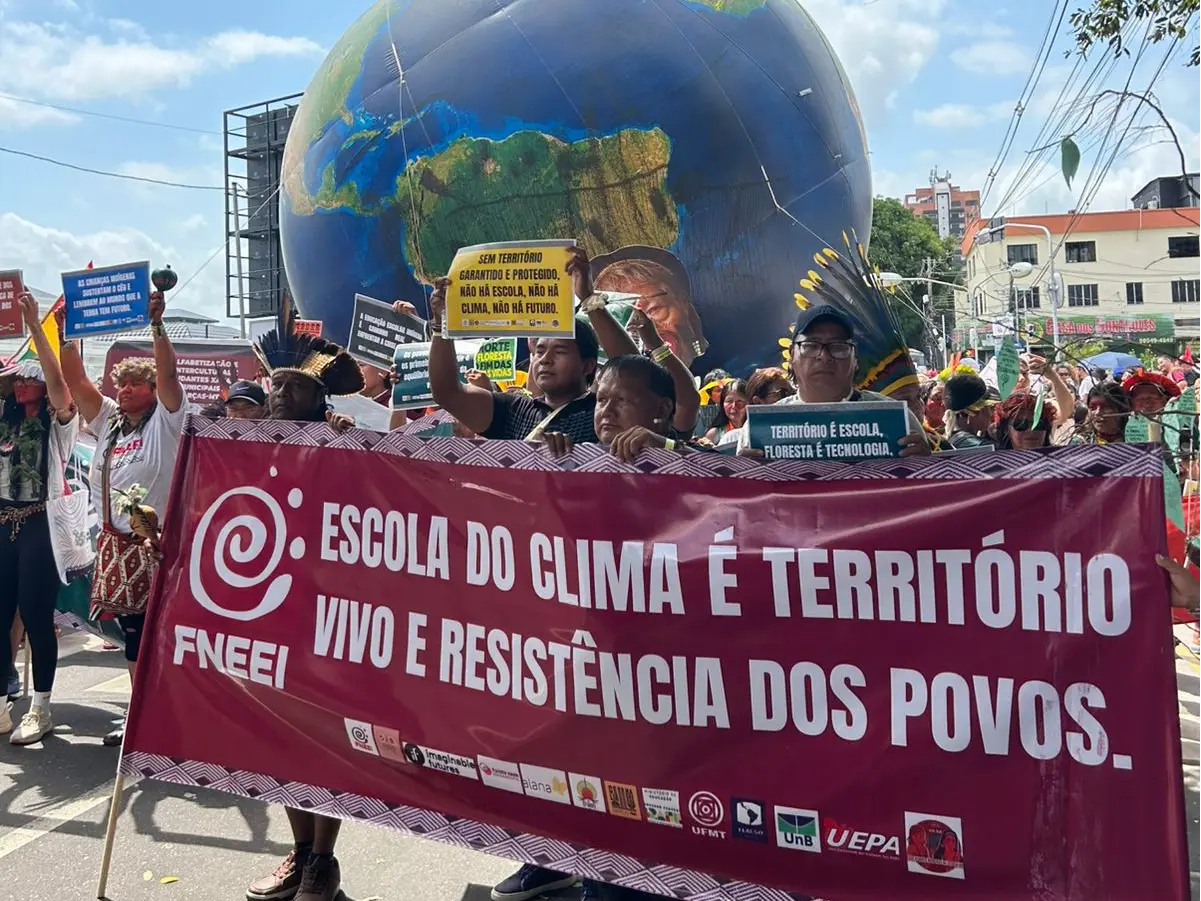
COP30 brought the world to Belém, a city at the edge of the Amazon. Indigenous and civil society participation broke records. And a new Gender Action Plan named Indigenous and local women as “agents of change” for the first time ever.
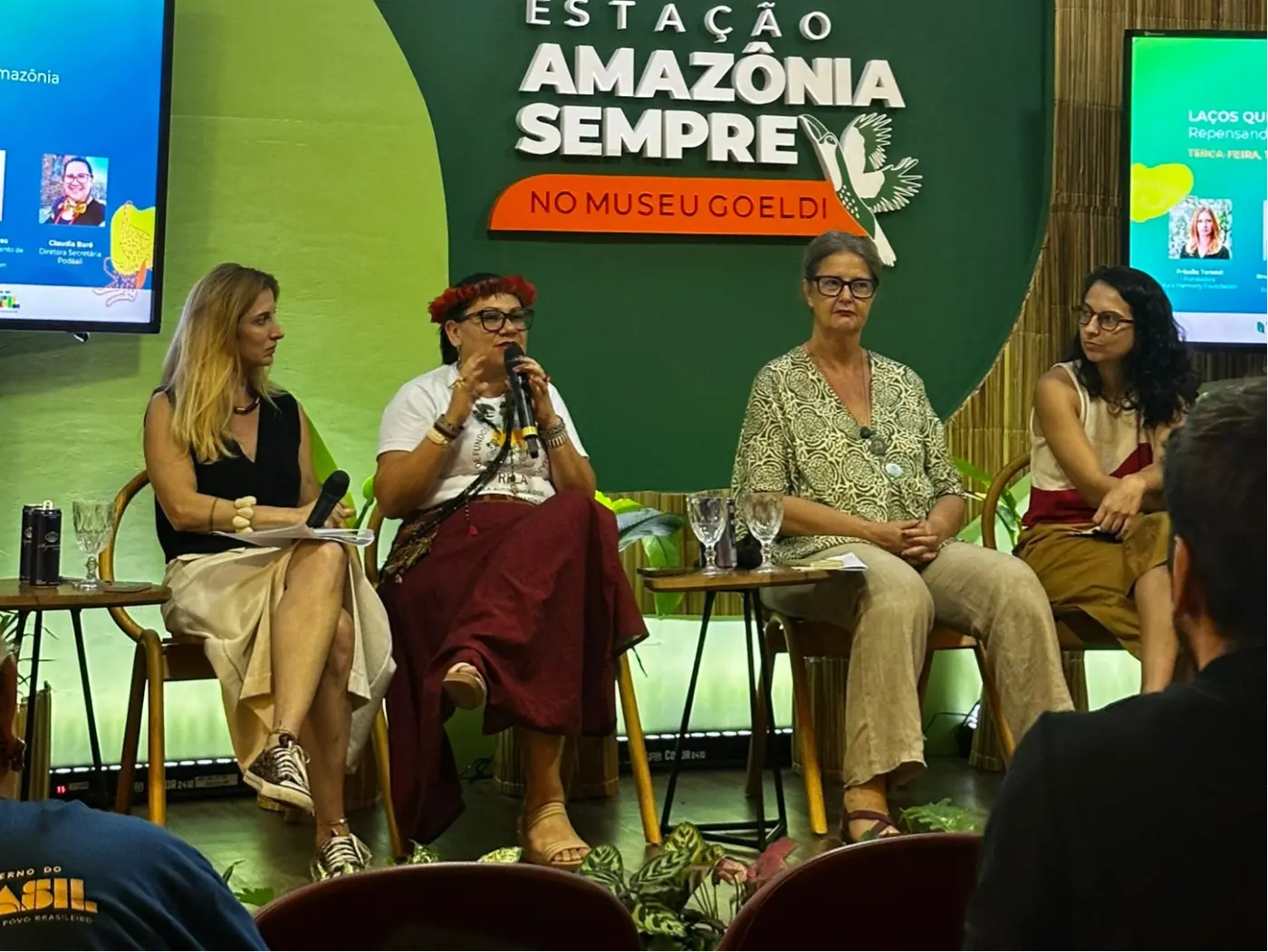
Ka’a Harmony was there – and we didn’t just watch. We organised our first COP-linked panel: “Bonds That Sustain: Rethinking International Collaboration in the Amazon.” At a moment when the world was making big promises about climate finance, we asked the harder question: how do we ensure global commitments actually reach the people already doing the work? The conversation brought together Indigenous leaders, researchers and finance experts.
Voices from the Amazon: Dona Oneca
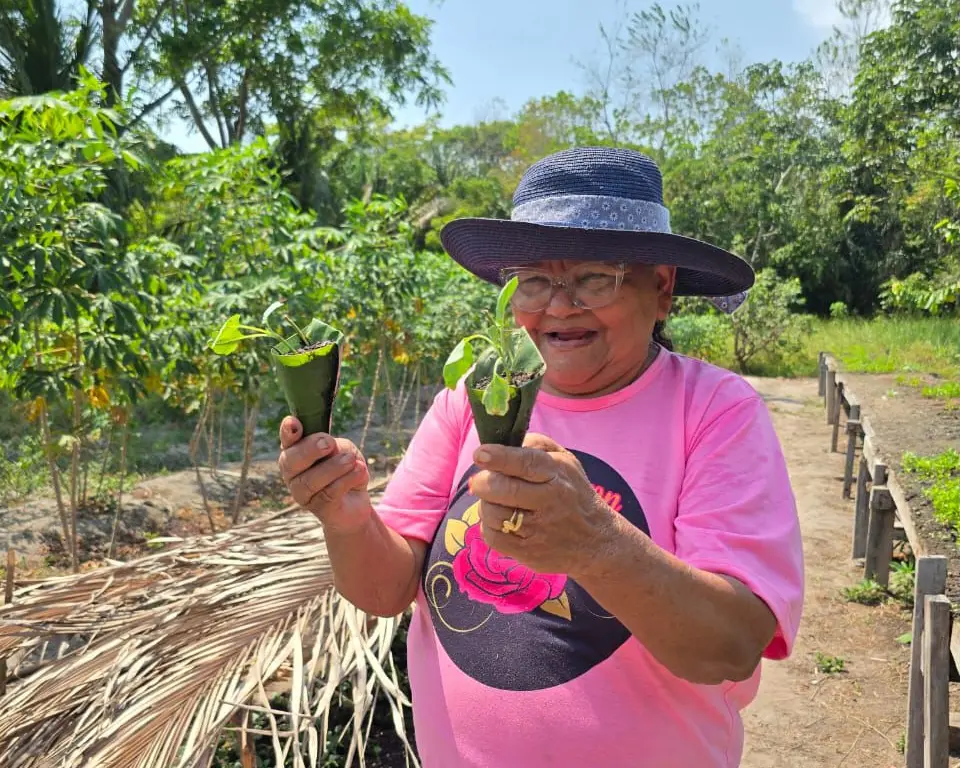
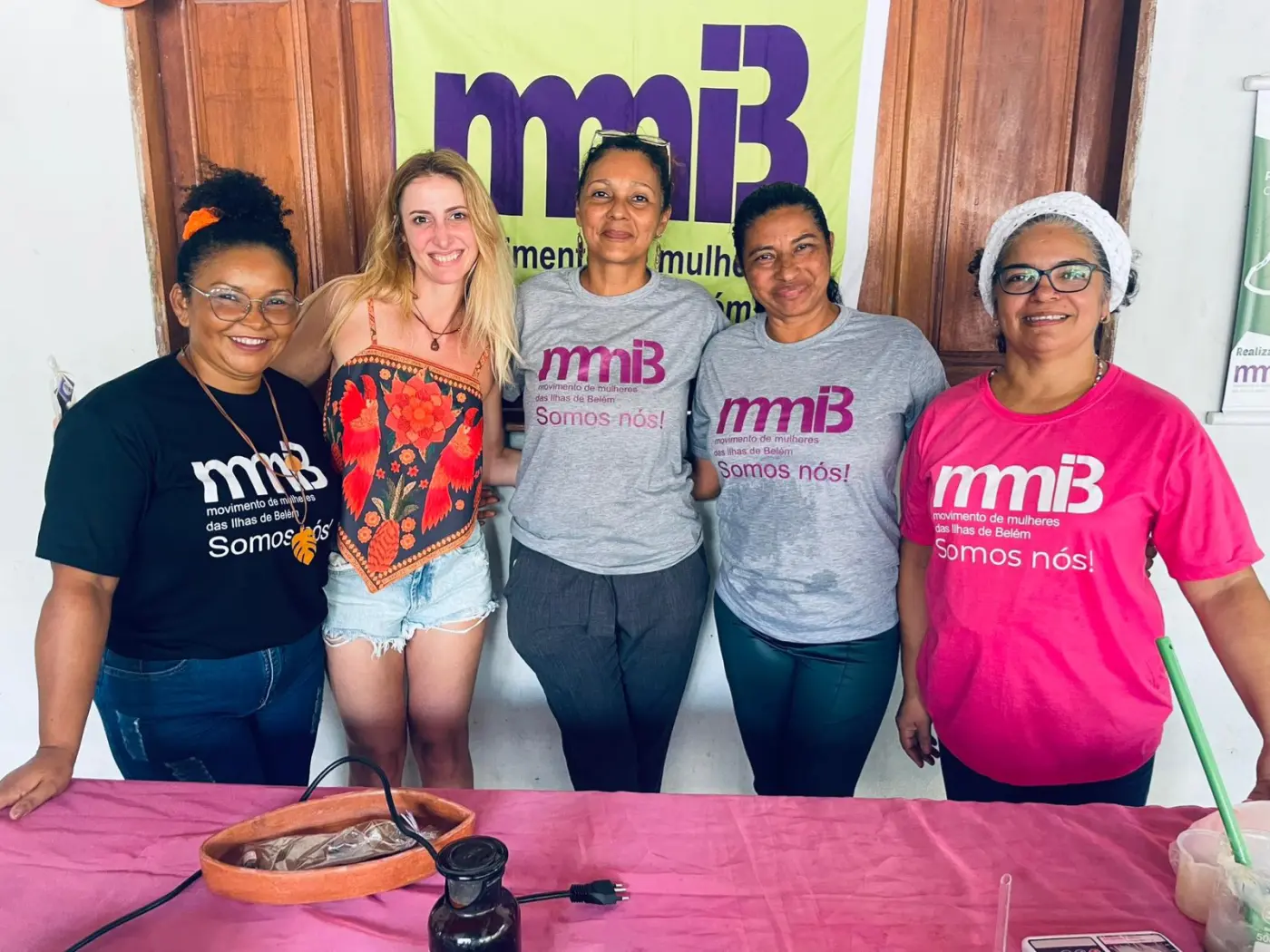
One of Ka’a Harmony’s core missions is to amplify the stories of the remarkable women protecting the Amazon. Dona Oneca is one of them. She is a member of MMIB – Movimento de Mulheres das Ilhas de Belém, a women-led movement founded in 1998 that unites women across more than 40 islands around Belém.
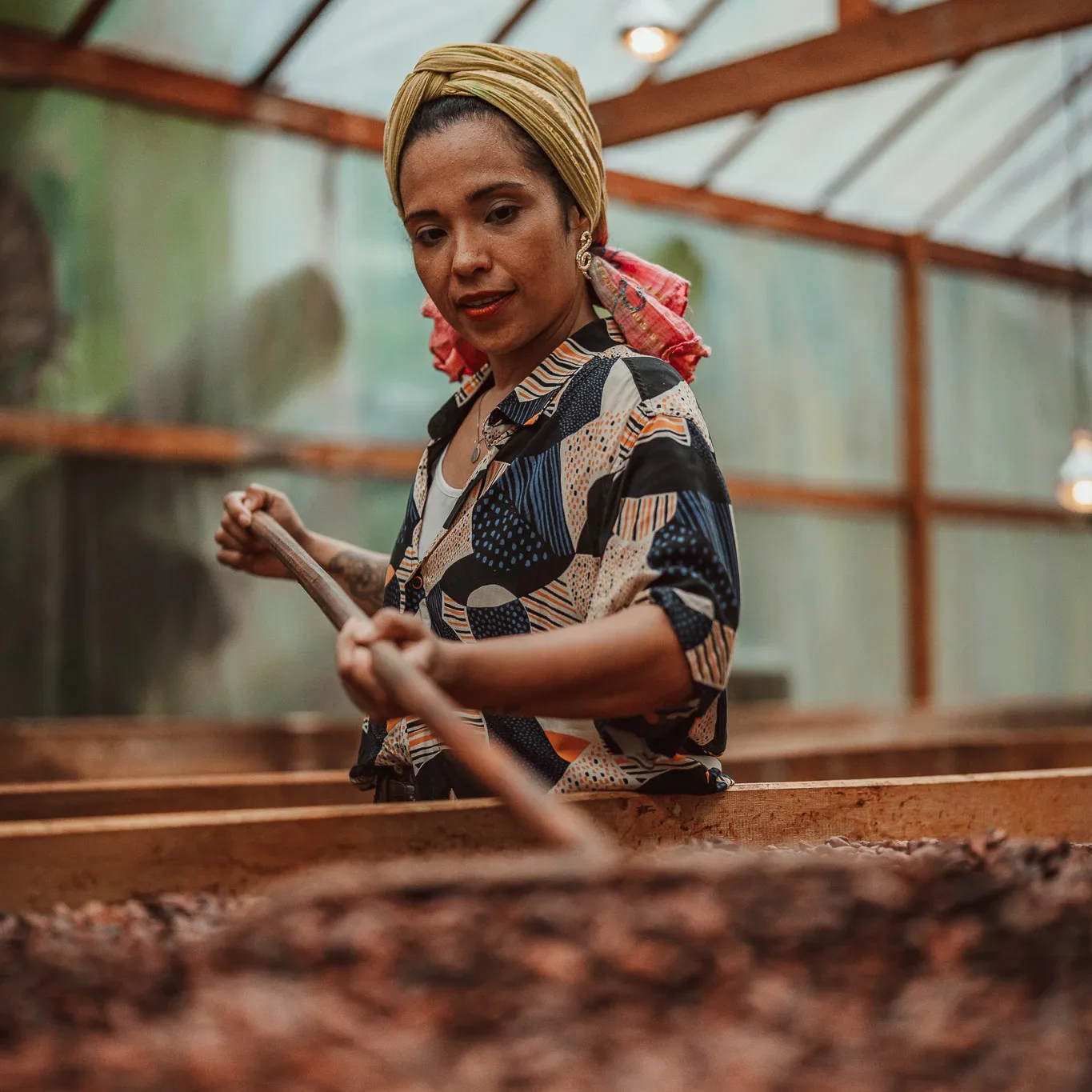
What began under a tree with a plan to make fruit preserves has grown into something remarkable: a network of women producing priprioca, andiroba and breu branco – ingredients that have found their way into products by Natura, one of Brazil’s best-known beauty brands – while also crafting bio-jewellery, practising sustainable tourism and protecting the forest that has always sustained them.
Not because they need rescuing, but because they deserve the resources and visibility that match the scale of what they are already doing.
Growing our roots: networks & community
Lasting change doesn’t happen in isolation. This year, we joined networks that share our values: Catalyst Now, a global movement connecting social innovators across 154 countries; Project Dandelion, a women-led global campaign for climate justice; and the Bioeconomy Working Group of Concertação pela Amazônia, the most important multi-stakeholder network dedicated to the Amazon’s sustainable future.
We are looking for foundations, impact investors and institutions who believe that protecting the Amazon and investing in its communities are two sides of the same coin.
What came next
- Amazon Week Berlin (1–6 June 2026): we supported Amazon Week and hosted a panel on cocoa and bioeconomy – more in Newsletter #2.
- A Leadership Academy for women: we are developing a programme that connects women working in climate in Berlin with women leaders from the Amazon. Interested? Get in touch.
Stories like this – straight to your inbox
A few times a year: news from the Amazon, women leading the way, events in Berlin and ways to get involved. No spam, unsubscribe any time.