Field notes
Reflections from COP30: Bonds That Sustain the Amazon
- November 2025
- COP30, Belém (Brazil)
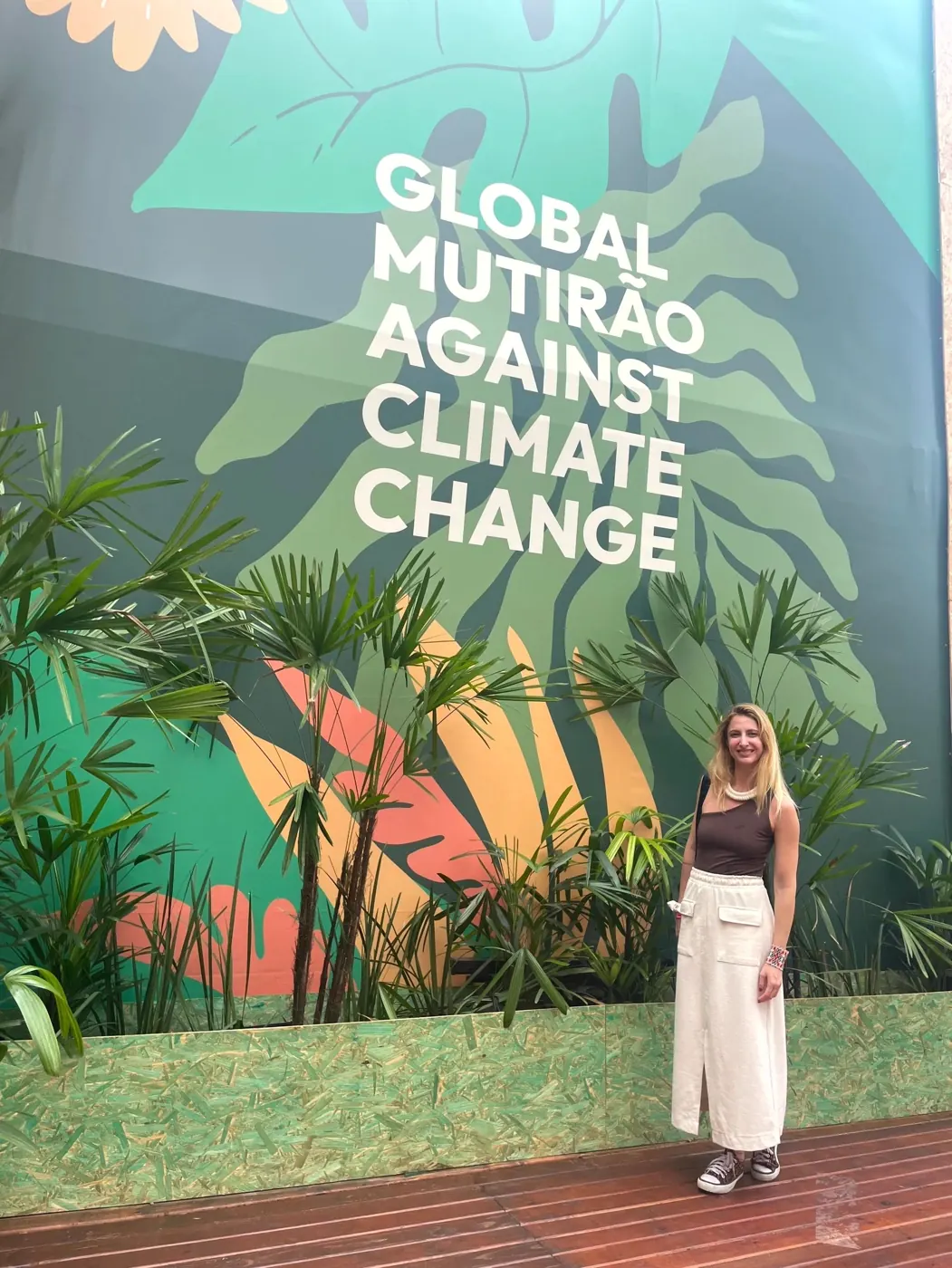
COP30 in Belém was a whirlwind of emotions, encounters, and learning. Twelve intense days filled with panels, discussions, meetings, and the energy of the Climate March made me feel like I was at a festival!
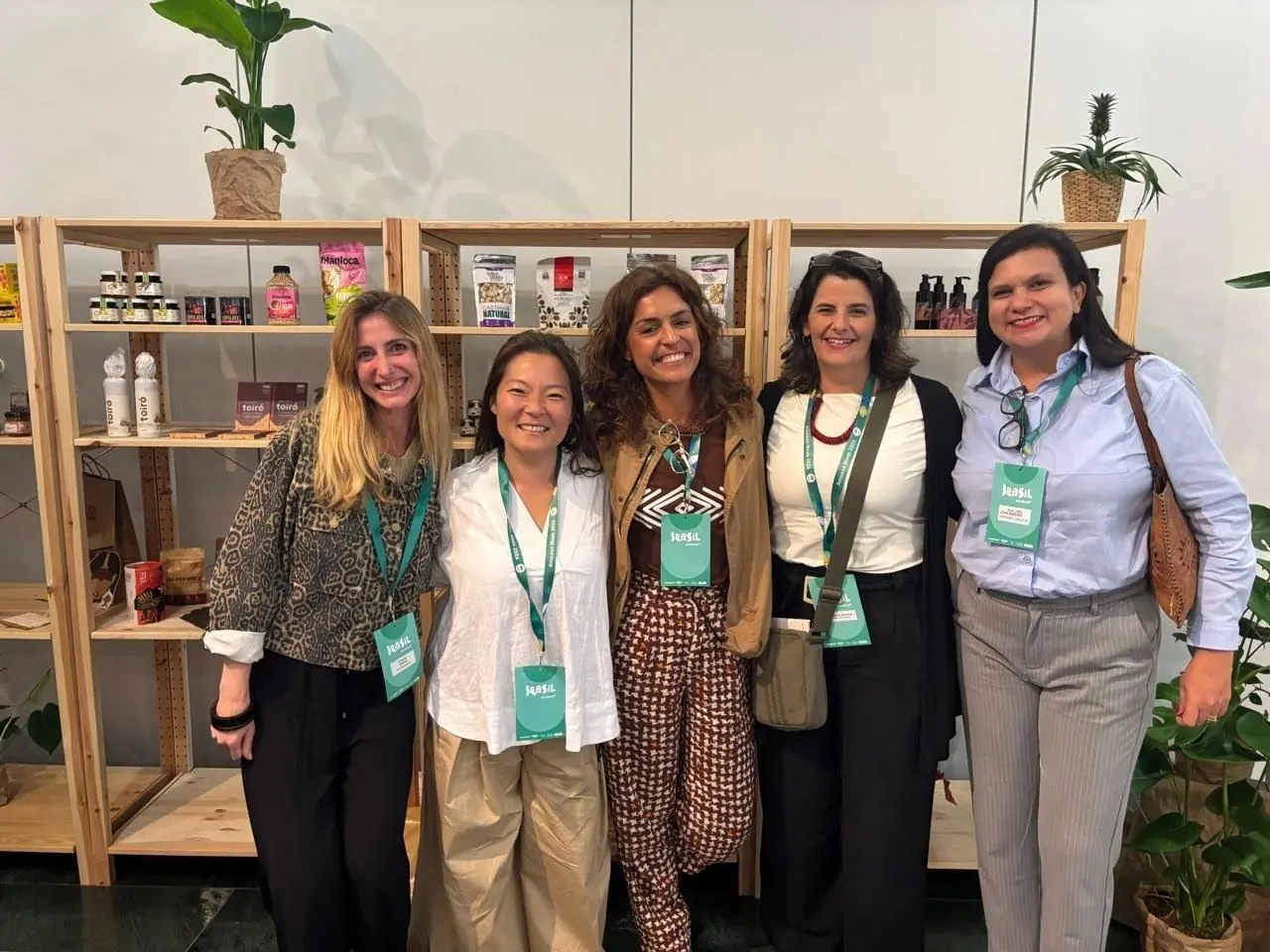
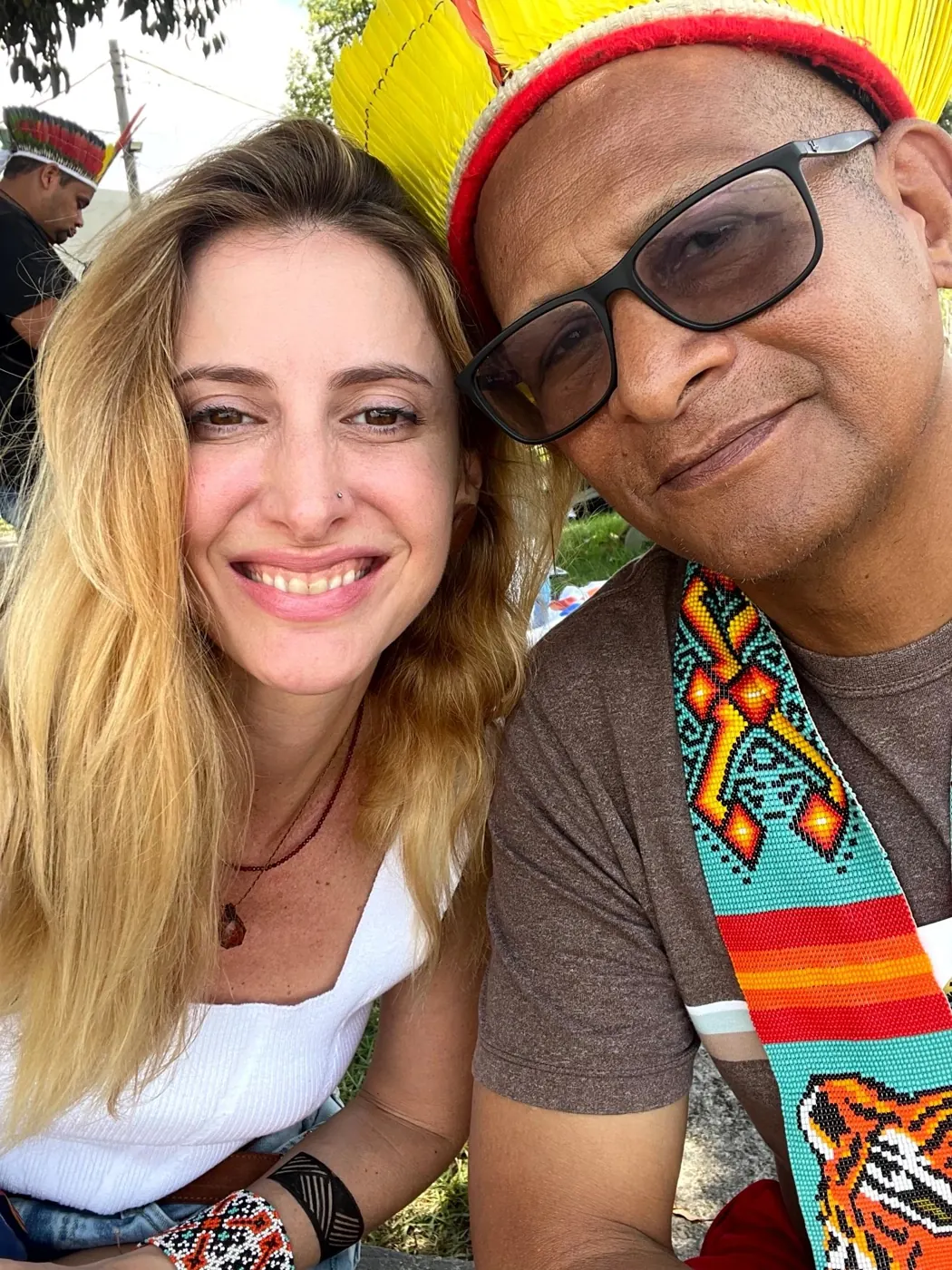
Beyond the official negotiations, what truly inspired me was witnessing the people who are at the heart of real change. Indigenous leaders, local heroes, and especially Amazonian women: the true guardians of our ecosystem, reminded me why this work matters. 🌿
Amplifying Indigenous and Traditional Voices
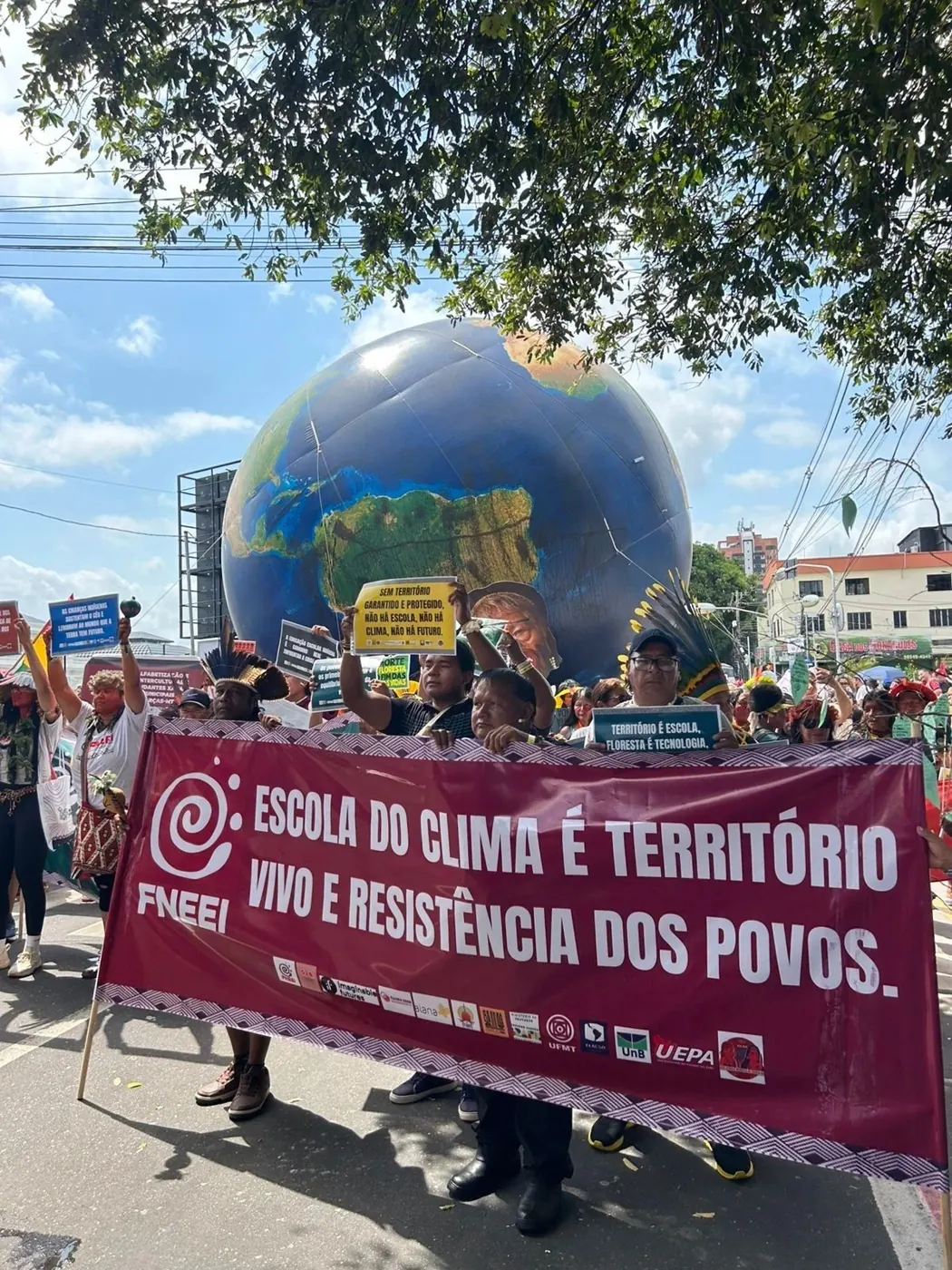
This year's COP30 marked a turning point, with approximately 5,000 Indigenous people participating - the largest Indigenous presence in COP history. While 360 attended official negotiation zones, hundreds more gathered at community hubs and the Aldeia COP, ensuring Indigenous perspectives shaped conversations both inside and outside formal spaces.
Beyond formal meetings, thousands joined the Climate March, a powerful demonstration of civil society demanding climate justice and amplifying the voices of forest guardians. These movements, alongside Indigenous advocacy, showed that real change happens both in the corridors of power and on the streets.
Ka’a Harmony’s COP30 Panel
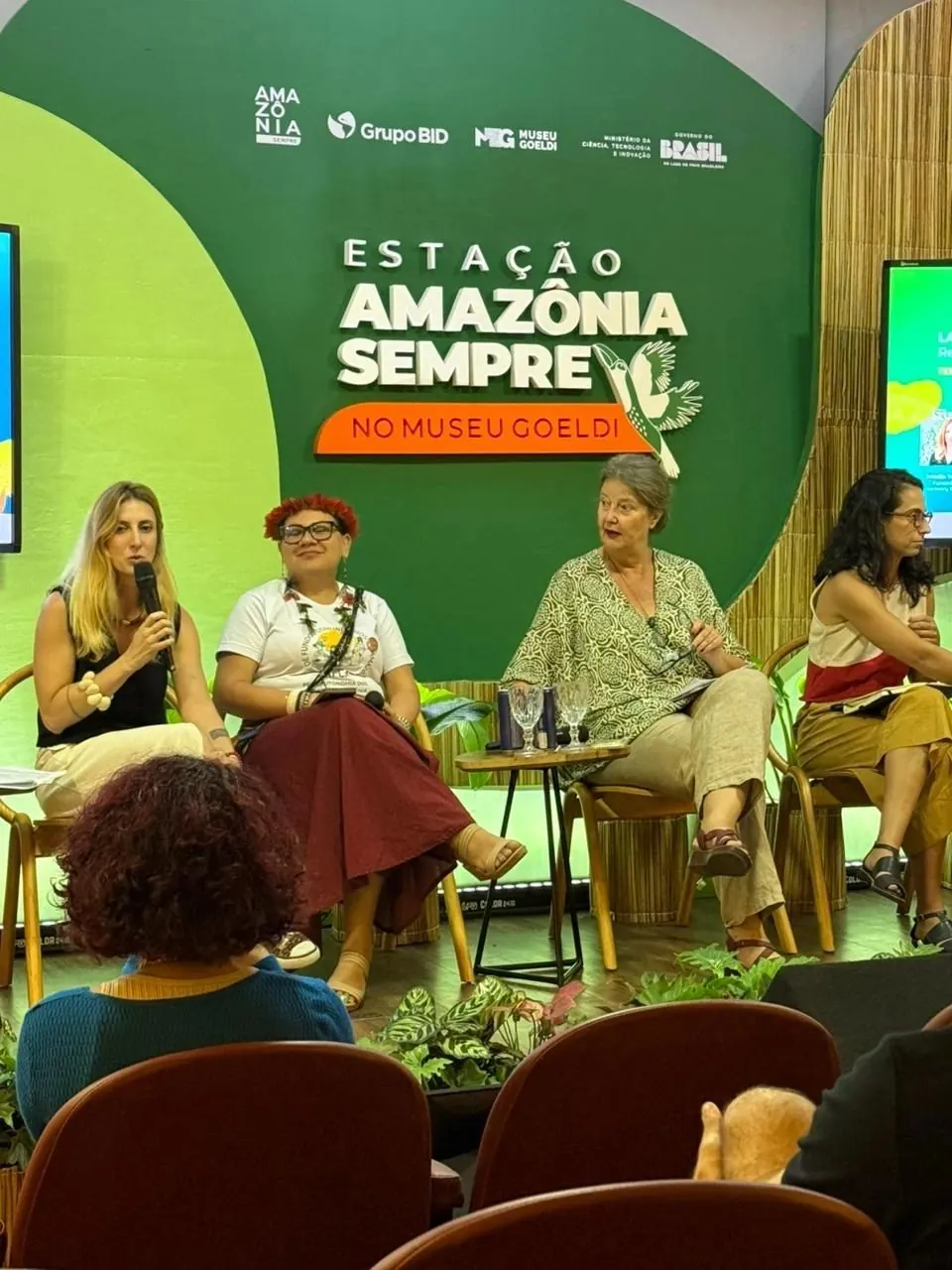
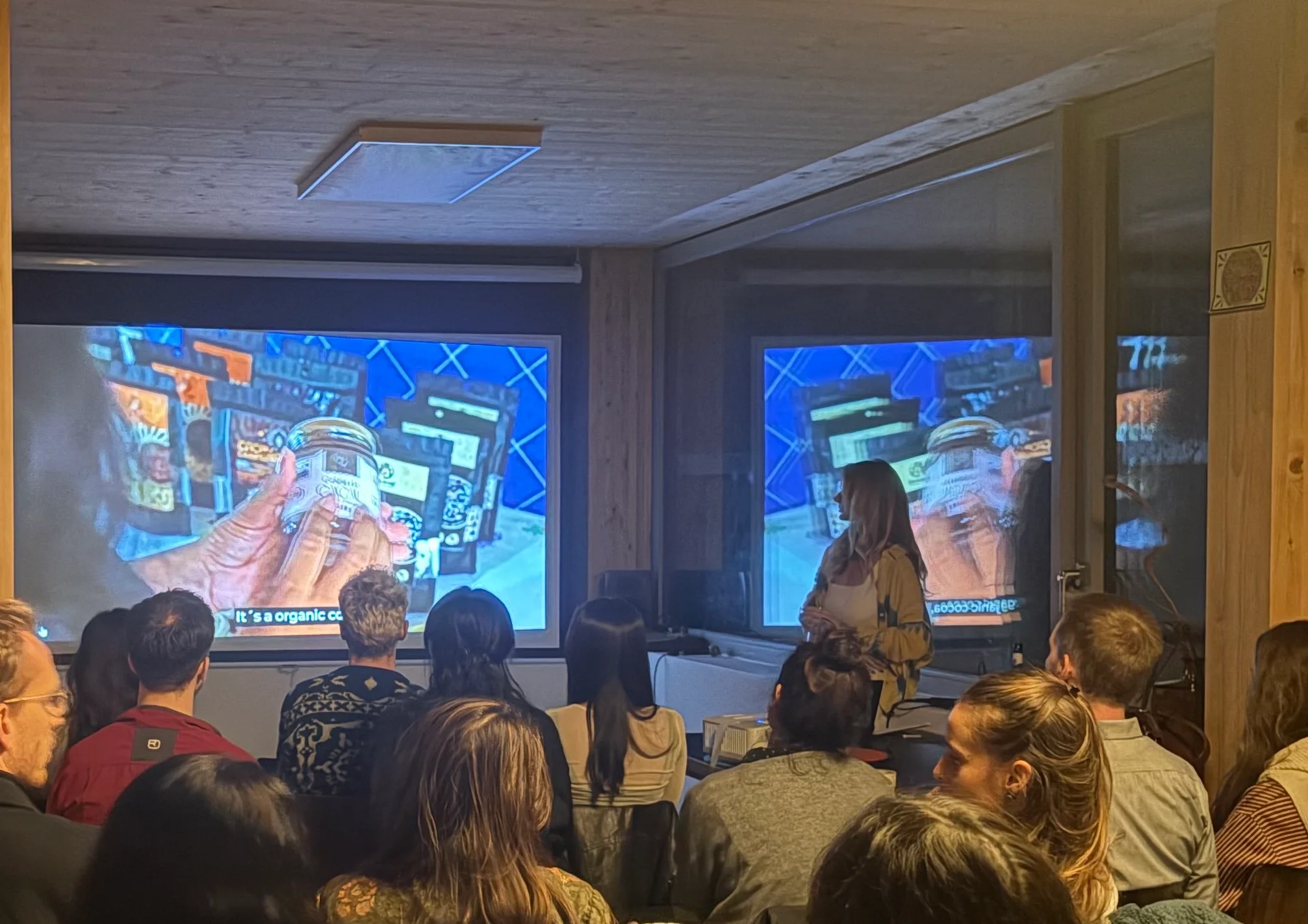
Ka'a Harmony organized its first COP-linked event: "Bonds That Sustain: Rethinking International Collaboration in the Amazon." As moderator, I guided a conversation that challenged conventional partnership models and explored what genuinely sustains long-term collaboration in the region.
The timing was significant. As COP30 advanced the Belém Package - adopted by all 195 Parties with 59 adaptation indicators and commitments to triple adaptation finance by 2035 - our panel asked a harder question: How do we ensure these global commitments translate into equitable, locally-led action?
The panel brought critical perspectives into focus:
- Regine Schönenberg described the Amazon as an intricate "web of relationships," emphasizing that effective partnerships require trust and continuity, not short-term interventions.
- Claudia Soares Martins, Baré Indigenous leader, showcased the Podáali Indigenous Fund as proof that Indigenous-led philanthropy works—when communities control resources and decision-making.
- Artur Sgambatti Monteiro confronted colonial patterns still embedded in international cooperation, making the case for climate justice that centers traditional peoples as protagonists, not beneficiaries.
- Beatriz Pires Tavares from Sitawi highlighted how intermediary organizations bridge the gap between global finance and local capacity, translating funding into tangible community outcomes.
At the panel's close, each speaker chose one word representing the bonds that sustain:
Time. Flexibility. Relationships. Climate Justice. Trust.
These aren't just values: they're operational principles that separate extractive partnerships from transformative ones.
This event also marked the launch of the Atlas of the Brazilian Amazon by the Heinrich Böll Foundation, a remarkable collection of articles offering a decolonial perspective on the region.
Meeting Amazonian Women Leaders
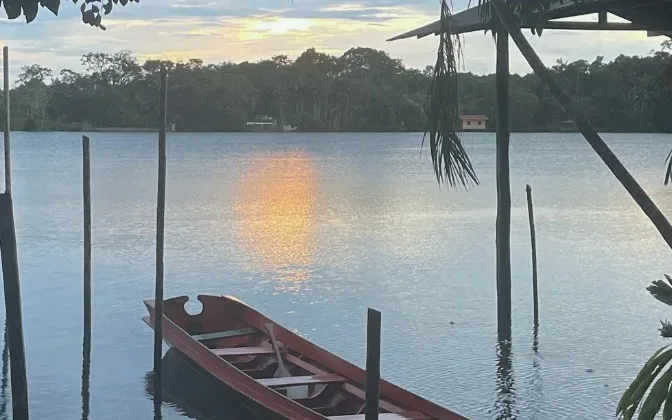
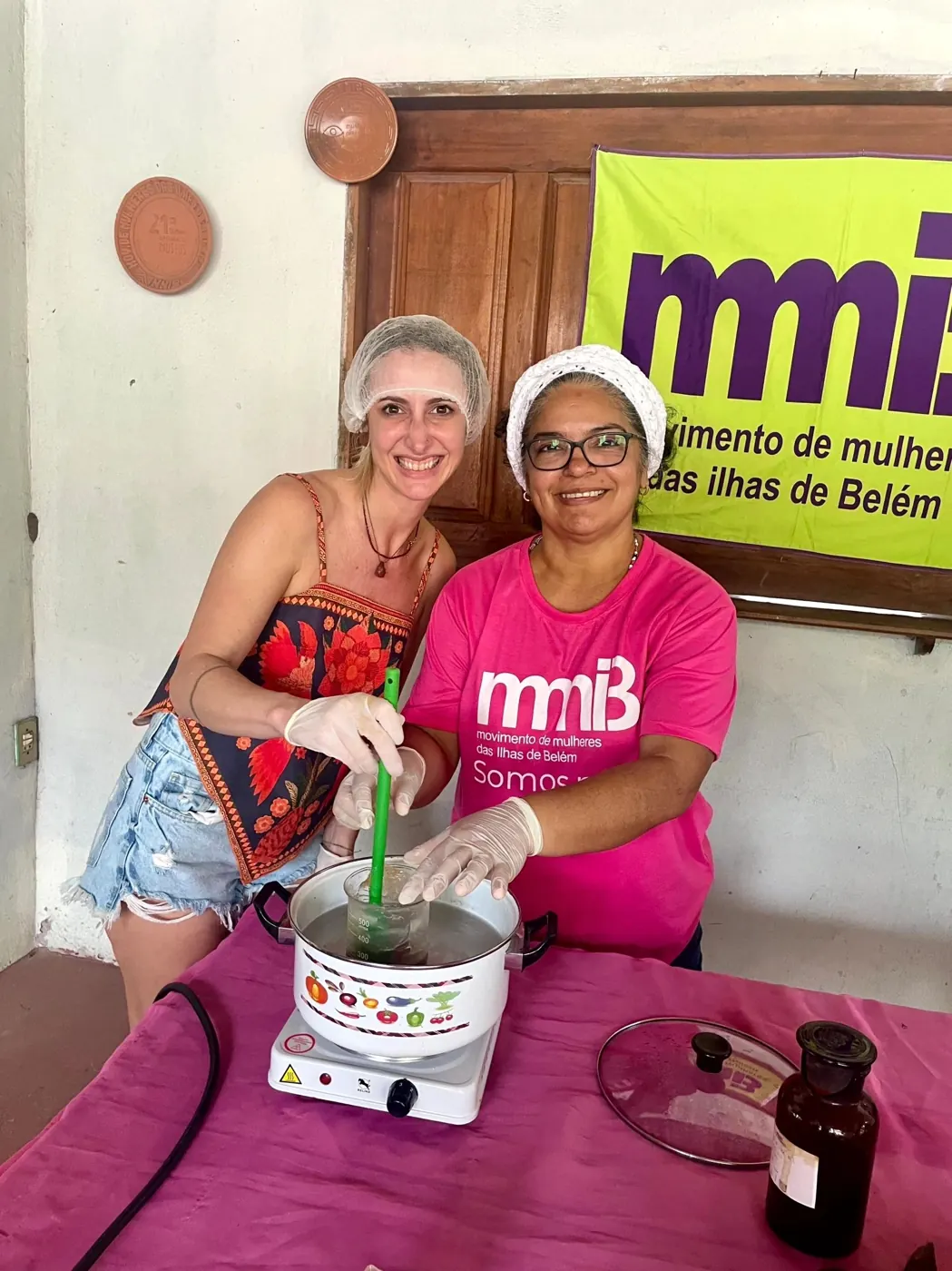
My most memorable COP30 experience wasn't a panel or negotiation; it was visiting the Movimento de Mulheres das Ilhas de Belém (MMIB), a women-led initiative uniting over 40 islands around Belém.
These women are doing what global climate summits talk about: protecting biodiversity while building sustainable livelihoods. Their work centers on socio-biodiversity projects using plant-based ingredients like priprioca and andiroba for artisan crafts and bio-jewelry.
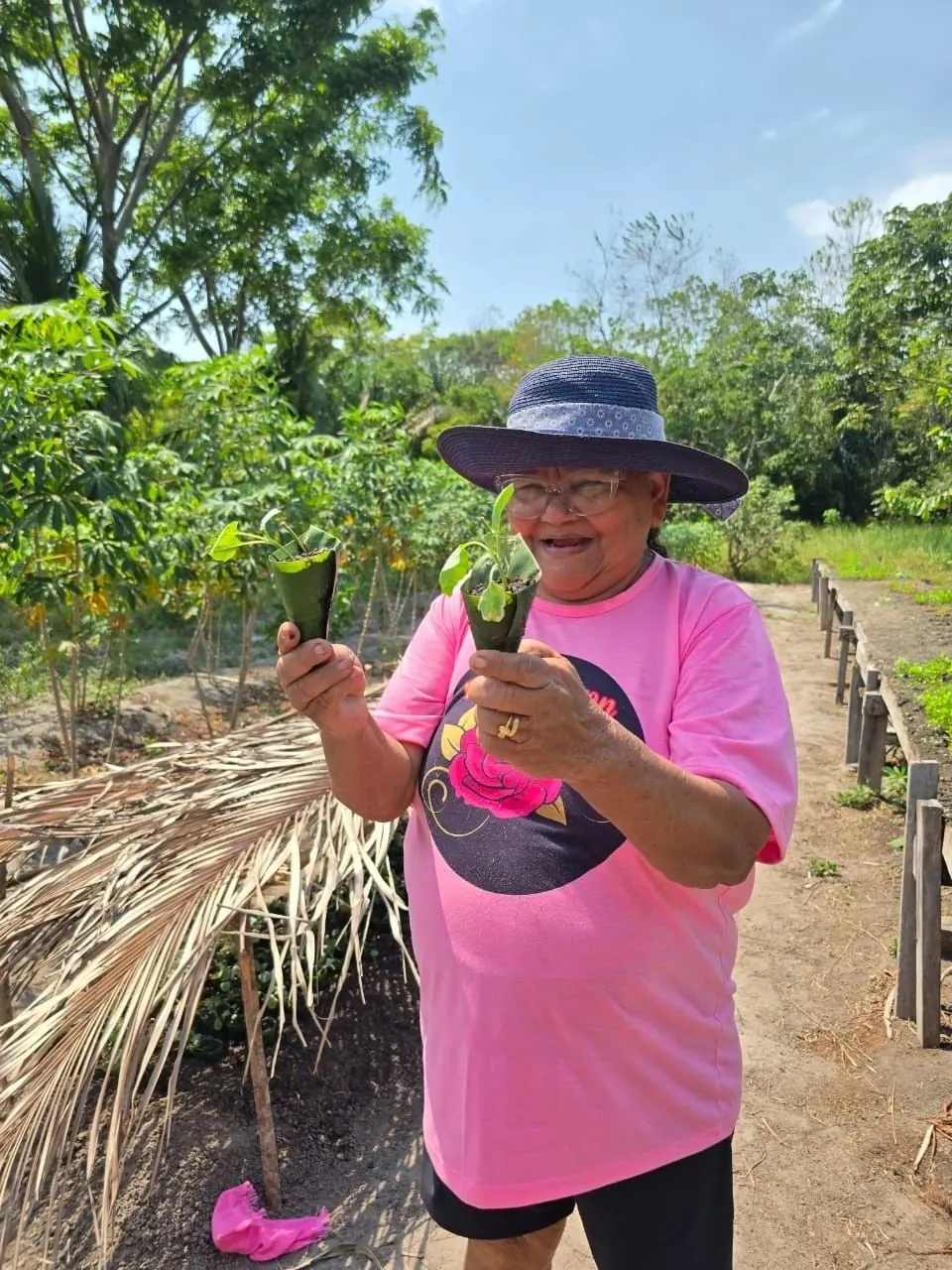
Meeting Dona Oneca was a highlight. She proudly showed us her organic garden and explained how her products connect to partnerships with companies like Natura. D. Oneca and the other women from the Association aren't chasing profit nor maximization, they are seeking and building dignity, income, community recognition, and forest protection simultaneously.
This is why Ka'a Harmony exists: to connect initiatives like MMIB with international partners who understand that the most transformative climate solutions are already happening at the grassroots level. Women are leading them, and our role is to amplify their impact.
What COP30 Taught Me About Real Climate Action
Spending 12 days at COP30 clarified something essential: the most credible climate solutions aren't being designed in negotiation rooms: they're already happening in Amazonian communities.
While the Belém Package advanced important commitments (tripling adaptation finance by 2035, mobilizing $6.7 billion for forest protection), success depends on whether these resources reach the people already doing the work: Indigenous leaders, women's cooperatives, and grassroots initiatives.
Three insights stood out:
- Indigenous leadership is operational, not symbolic. With 5,000 Indigenous participants (the largest COP presence ever), the message was clear: effective climate action requires Indigenous communities controlling resources and decisions, not just consulting on them.
- Women are the catalysts. From MMIB's island network to Indigenous-led philanthropy models, Amazonian women aren't waiting for permission. They're building solutions now.
- The implementation gap is real. Bridging the distance between global commitments and grassroots reality is where organizations like Ka'a Harmony come in—connecting resources with communities protecting the forest daily.
COP30 left me energized. The solutions exist. The leaders are ready. What's needed is authentic collaboration that follows their lead. Let's do it!